

One of the most interesting aspects of the New England Patriots’ months-long pursuit of wide receiver A.J. Brown was his contract. When it comes to roster building, Robert and Jonathan Kraft have been on the opposite end of the spectrum as owner Jeffrie Lurie and the Philadelphia Eagles.
The Eagles and GM Howie Roseman have operated as one of the NFL’s classic cash-over-cap teams, annually spending well over the cap in terms of real money while manipulating the salary cap numbers on the back end. Over the past five years, the Eagles have spent 20.3 percent above the cap, per Over the Cap, which ranks third-most in football behind the Browns and 49ers.
The Patriots tend to rank in the bottom third of the league in active cash spending. Robert Kraft has openly discussed the team’s cash-to-cap strategy in recent years.
Here’s what Robert Kraft said last year about cash spending:
— Phil Perry (@PhilAPerry) February 24, 2026
“We’ve always had a situation where we spend to the cap. We’ve never told any coach or limited the spending. The only thing we’ve said is if you exceed the cap, we’d like to see it leveled out over three years… (1/2) https://t.co/h3otQksu36
That’s what made the Patriots’ decision to send a pair of draft picks, including a first-round selection in 2028, to the Eagles in exchange for Brown so fascinating. New England acquired a more complicated, Eagles-style contract that includes five void years and $32 million in remaining guarantees in the form of option-bonus payments.
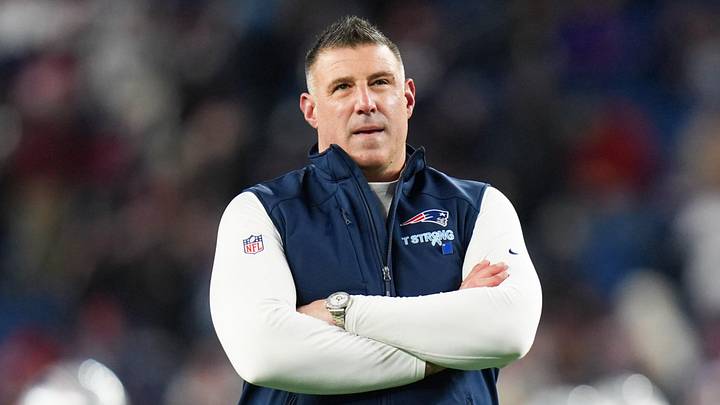
Patriots head coach Mike Vrabel all but confirmed to reporters on Tuesday that the team is taking on Brown’s full $29 million salary for 2026, which is fully guaranteed:
“He’s been here a day,” Vrabel said when asked a pointed question on Brown’s contract by ESPN’s Mike Reiss. “So the plan is for him to practice and try to get acclimated. I don’t see anything that would preclude him from doing that right now. Again, I’m just excited to add the player. I know the football team is looking forward to having him in practice and get acclimated and whatever that looks like today. So by all accounts he’s ready to go.”
New England’s sizable financial commitment to A.J. Brown only proves Mike Vrabel had to have him
Brown to the Patriots feels like a perfect match. He was drafted by the Tennessee Titans during Vrabel’s tenure there, was a childhood fan of the Bill Belichick-Tom Brady dynasty years, and should provide quarterback Drake Maye with the most dominant wide receiver he’s played with in college or the pros.
But the Eagles certainly didn’t give New England a discount for their No. 1 receiver who appeared eager to get out of Philly either way.
Roseman did the Patriots a slight favor by accepting a first-round pick in 2028, a draft that’s still two full NFL seasons away. But New England absorbing Brown’s full contract number for 2026 feels like the biggest line item in the deal. The Eagles were able to extract a premium future draft pick while clearing around $7 million in cap space and $29 million in real cash this season to make a subsequent roster addition.
None of this is to say that the Patriots made a poor decision here. Even entering his age-29 season, and with the body wear-and-tear that comes with that, he’s still among the most dominant boundary wide receivers in football. The quarterbacks Brown has most prominently played with throughout his career include Ryan Tannehill, Marcus Mariota, and Jalen Hurts. The combination with the surgical Maye has a chance to be otherworldly, starting with training camp this summer.
There’s an element of risk associated with every move. With Brown, Vrabel and the Patriots paid a premium price for a weapon the team — and especially the head coach — wanted.
It all signals one thing to the rest of the NFL: The Patriots just played in a Super Bowl four months ago, and they’re far from satisfied.
 Add us as a preferred source on Google